Jak zarządzać budżetem podczas gry w kasynie?


Dlaczego zarządzanie budżetem jest kluczowe?

Zarządzanie budżetem podczas gry w kasynie jest fundamentem odpowiedzialnego hazardu. Wiele osób popełnia błąd, myśląc, że emocje związane z grą są najważniejsze, jednak odpowiednie podejście do finansów pozwala uniknąć nieprzyjemnych sytuacji. Warto poszukać informacji na temat wypłacalne kasyna internetowe , które oferują różne opcje, aby gra w kasynie powinna była być formą rozrywki, a nie sposobem na zarabianie pieniędzy. Dlatego kluczowe jest ustalenie, ile możemy przeznaczyć na grę, aby nie narażać się na finansowe problemy.

Jednym z najważniejszych kroków w zarządzaniu budżetem jest przygotowanie planu, który uwzględnia nasze potrzeby i możliwości finansowe. Warto określić, jaka kwota będzie dostępna do wydania w określonym czasie, na przykład tygodniowo lub miesięcznie. Stworzenie takiego limitu pomoże zminimalizować ryzyko przekroczenia granicy finansowej. Dobre zarządzanie budżetem nie polega tylko na ograniczeniu wydatków, ale również na strategii i analizowaniu własnych zachowań związanych z grą.

Ponadto warto regularnie monitorować swoje wydatki. Dzięki temu można zauważyć ewentualne niepokojące tendencje, jak na przykład wzrastająca ilość pieniędzy wydawanych na hazard. Wczesne dostrzeżenie takich sygnałów pozwala na wprowadzenie zmian i uniknięcie większych strat. Zarządzanie budżetem to nie tylko umiejętność liczenia, ale także refleksja nad własnym zachowaniem, co z pewnością pomoże utrzymać kontrolę nad finansami.

Jak określić swój budżet na grę?

Określenie budżetu na grę w kasynie można zacząć od analizy swoich dochodów i wydatków. Ważne, aby przeanalizować, ile pieniędzy zostaje nam na koniec miesiąca po pokryciu wszystkich podstawowych wydatków. To właśnie ta kwota powinna być przeznaczona na gry hazardowe. Niezwykle istotne jest, by nie korzystać z oszczędności ani pieniędzy, które są przeznaczone na inne ważne wydatki, takie jak rachunki czy kredyty.

Kolejnym krokiem jest ustalenie, jak długo planujemy grać i jakie gry nas interesują. Różne gry mają różny poziom ryzyka oraz wymagają różnych kwot do stawiania. Warto więc z góry przygotować się na różne scenariusze i zdefiniować maksymalne wydatki na każdą sesję. Powinny one być dostosowane do naszego ogólnego budżetu na grę. Każda zaplanowana sesja powinna być traktowana jako osobne wydarzenie, co pozwoli na lepszą kontrolę finansów.

Nie bez znaczenia jest także elastyczność w zarządzaniu budżetem. W miarę zdobywania doświadczenia w grach, możemy dostosowywać nasze strategie i limity. Czasami warto zwiększyć stawkę lub na chwilę zmniejszyć budżet, zwłaszcza jeśli czujemy, że nasze podejście do gry się zmienia. Kluczowym elementem tego procesu jest jednak pozostanie w granicach ustalonego budżetu i nie uleganie emocjom.

Strategie kontrolowania wydatków w kasynie

W kasynach istnieją różnorodne strategie, które pomagają kontrolować wydatki. Jedną z nich jest tzw. metoda „odwróconej progresji”, gdzie po każdej wygranej zwiększamy stawki, a po przegranej zmniejszamy je. To podejście pozwala na lepszą kontrolę nad wydatkami i może prowadzić do zwiększenia zysków, jednak wymaga dużej dyscypliny. Warto także grać w gry, które są bardziej przyjazne graczom i oferują korzystniejsze zasady, takie jak blackjack czy poker.

Inną strategią jest korzystanie z limitów czasowych lub kwotowych. Wiele kasyn oferuje możliwość ustawienia limitów, które automatycznie blokują możliwość gry po osiągnięciu określonej kwoty. Dzięki temu możemy uniknąć impulsywnych decyzji związanych z wydatkami. Limity te można ustawiać w zależności od własnych potrzeb i możliwości finansowych, co pozwoli na lepsze zarządzanie czasem i pieniędzmi podczas gry.

Niezwykle pomocne są również techniki relaksacyjne oraz umiejętność rozpoznawania oznak uzależnienia od hazardu. Ważne jest, aby nie bagatelizować problemów związanych z kontrolowaniem wydatków. Jeśli czujemy, że gra staje się problemem, warto poszukać wsparcia lub skonsultować się ze specjalistą. Zarządzanie budżetem w kasynie to nie tylko kwestia finansów, ale także zdrowia psychicznego i emocjonalnego.

Jak unikać pułapek finansowych?

Aby uniknąć pułapek finansowych podczas gry w kasynie, kluczowe jest ustawienie jasnych granic. Już na początku gry warto zadeklarować, ile pieniędzy możemy sobie pozwolić na wydanie. To pozwoli na uniknięcie sytuacji, w której gra staje się środkiem do rozwiązywania problemów finansowych. Ustalenie budżetu jest pierwszym krokiem, ale równie ważne jest przestrzeganie go. Samodyscyplina jest niezbędna dla zachowania kontrolowanej gry.

Warto także być świadomym strategii marketingowych stosowanych przez kasyna, które mają na celu przyciągnięcie graczy do większej ilości wydatków. Często oferują one atrakcyjne promocje, które mogą kusić do wydawania większych kwot. Przed skorzystaniem z takich ofert warto zadać sobie pytanie, czy rzeczywiście możemy pozwolić sobie na dodatkowe wydatki. Wiele razy emocje mogą przysłonić zdrowy rozsądek, dlatego warto podchodzić do tego tematu z dużą ostrożnością.

Również, jeśli gra staje się dla nas sposobem na ucieczkę od problemów, warto rozważyć przerwę od hazardu. Czasami wystarczy kilka dni, aby zyskać nową perspektywę i lepiej ocenić sytuację. Jeżeli czujemy, że zarządzanie budżetem staje się trudne, warto również zastanowić się nad korzystaniem z pomocy profesjonalnych doradców dla osób z problemami związanymi z hazardem. Zrozumienie swoich ograniczeń i szukanie wsparcia to kluczowe elementy dbania o zdrowe podejście do gier hazardowych.

Co znajdziesz na naszej stronie?

Nasza strona jest dedykowana wszystkim graczom, którym zależy na odpowiedzialnym podejściu do gier hazardowych. Znajdziesz u nas wiele artykułów dotyczących zarządzania budżetem oraz strategii gry, co pozwoli Ci na lepsze zrozumienie mechanizmów funkcjonujących w kasynach. Chcemy promować odpowiedzialny hazard i inspirować graczy do podejmowania świadomych decyzji finansowych.

Ponadto, oferujemy praktyczne porady oraz narzędzia, które pomogą Ci w skutecznym zarządzaniu budżetem. Dzięki naszym materiałom dowiesz się, jak analizować swoje wydatki, jakie gry są bardziej korzystne oraz jakie techniki relaksacyjne mogą wspierać Twoje finanse. Nasza misja to nie tylko informowanie, ale także wspieranie graczy w dążeniu do zdrowego i satysfakcjonującego doświadczenia podczas gry.

Wszystkie artykuły są napisane przez ekspertów, którzy mają na celu dostarczenie wartościowych informacji oraz praktycznych wskazówek. Zachęcamy do regularnego odwiedzania naszej strony oraz korzystania z dostępnych materiałów, które wspierają odpowiedzialne podejście do gier hazardowych. Z nami nauczysz się zarządzać budżetem tak, aby każda sesja w kasynie była pełna emocji, ale również bezpieczeństwa finansowego.

Exploring the psychology behind casino games and player behavior


The Allure of Casino Games

Casino games possess a unique allure that captivates players, drawing them into an immersive experience that appeals to fundamental psychological triggers. The thrill of chance and the potential for winning create an adrenaline rush that taps into our innate desire for excitement and risk-taking. This combination of uncertainty and reward can lead players to engage deeply in various forms of gambling, from the spinning reels of slot machines to the strategic play at card tables, including those offered by nz online casino that provide a variety of options for all types of enthusiasts. Casinos are meticulously designed environments, utilizing bright lights, vivid colors, and engaging soundscapes to heighten sensory experiences and prolong player engagement.

Moreover, the physical layout and atmosphere of a casino significantly influence player behavior. The architecture of these spaces is carefully crafted to promote an effortless flow from one game to another, making it easy for players to transition between options. This seamless navigation encourages exploration of diverse games, which can increase the time spent gambling and ultimately lead to higher expenditures. By exploiting these intricate psychological principles, casinos are adept at optimizing the gaming experience to keep players engaged and entertained for longer periods.

Additionally, the psychology behind near misses plays a powerful role in the gambling experience. A near miss occurs when a player comes close to winning but ultimately falls short, often resulting in heightened feelings of hope and excitement. This phenomenon can be especially pronounced in games like slots, where players might witness symbols aligning almost perfectly. Such experiences can create a false sense of skill, leading players to believe they are on the brink of a significant win. This behavioral reinforcement can result in patterns of gambling that are difficult to break, as players continue to chase the thrill of that elusive victory.

The Role of Cognitive Biases

Cognitive biases are critical in shaping how players interpret their experiences within casinos. One prominent bias is the illusion of control, where players mistakenly believe they can influence the outcomes of games predominantly governed by chance. This misconception can lead to overconfidence, prompting players to take greater risks than they might otherwise consider prudent. For example, a poker player may feel they have the upper hand and decide to increase their bets, believing their skills will guarantee success, thus potentially leading to significant losses.

Another pervasive cognitive bias is the gambler’s fallacy, which occurs when players assume that previous outcomes will affect future results. For instance, if a roulette wheel has landed on red several consecutive times, a player might wrongly conclude that black is «due» to appear next. This erroneous belief can lead to poor decision-making and inflated bets based on flawed reasoning. Understanding these cognitive biases is essential for both players and casino operators, as they can inform marketing strategies and initiatives aimed at promoting responsible gaming.

Furthermore, the concept of loss aversion plays a vital role in driving player behavior in casinos. Research suggests that individuals tend to prefer avoiding losses over acquiring equivalent gains, leading to an intense emotional reaction when they face losses. This can result in a phenomenon known as chasing losses, where players continue to gamble in an attempt to recover their lost funds. Such cycles can be financially damaging and psychologically taxing, as players become ensnared in a loop of hope and despair, often finding it challenging to disengage from gambling.

The Social Dynamics of Gambling

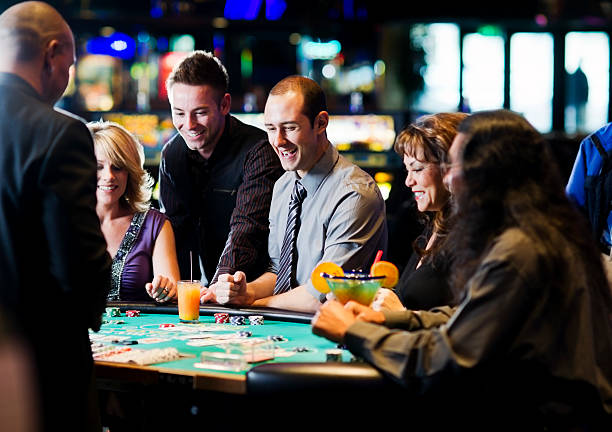
The social dynamics of gambling significantly impact player behavior, making casinos lively social environments where individuals gather for both entertainment and camaraderie. Casinos often function as social hubs, attracting groups of friends or families who enjoy spending leisure time together while participating in games. This social interaction can amplify the enjoyment derived from gambling, transforming it into a shared experience that encourages players to take more risks, buoyed by the presence and support of their peers. This communal aspect can greatly extend players’ time spent gambling.

Moreover, the phenomenon of social proof is prevalent in casino settings. When players witness others winning or celebrating their successes, they are more likely to engage in similar behavior. This observation can create a bandwagon effect, encouraging individuals to flock to particular games or areas of the casino based solely on visible excitement. The contagious nature of enthusiasm can create an electrifying atmosphere, prompting even the most cautious players to loosen their inhibitions and immerse themselves in the gaming experience.

Additionally, the allure of high-stakes games attracts a specific demographic that thrives on competition and prestige. Players may be motivated by the social status associated with being a high roller, often leading them to make riskier bets to enhance their reputation among peers. This competitive edge transforms gambling into a social showcase, where the stakes are not only financial but also personal. The psychological need for recognition can spur players to pursue higher risks, seeking to establish their status within their social circles.

The Influence of Rewards and Reinforcement

Rewards and reinforcement significantly shape player behavior in casinos, with the concept of variable reinforcement schedules playing a crucial role. These schedules involve providing rewards at unpredictable intervals, creating a powerful incentive for continued play. Based on behavioral psychology, players tend to respond favorably to irregular rewards, which can intensify their desire to gamble. For example, the momentary thrill of hitting a jackpot can overshadow previous small losses, reinforcing the belief that persistence will ultimately lead to a big win.

Loyalty programs and bonuses are strategically implemented to enhance player engagement further. These incentives reward players for their time spent gambling, fostering a sense of belonging within the casino community. Players may feel a strong connection to the rewards system, motivating them to return for future visits as they chase the next tier of benefits. This psychological commitment can lead to increased frequency of visits and spending, as players become invested in obtaining rewards that enhance their overall gaming experience.

Moreover, the concept of instant gratification plays a crucial role in the gambling environment. Players are often drawn to quick wins and immediate rewards, which heightens their desire to participate in games. This aspect of gambling appeals to our human psychology, where the immediacy of reward provides a satisfying dopamine rush that encourages repeated behaviors. The combination of a fast-paced environment and the allure of potential winnings can lead to extended gaming sessions, often without regard for time or financial limits.

Understanding Responsible Gaming

As insights into player behavior continue to evolve, the promotion of responsible gaming practices within casinos has gained increasing importance. Operators are becoming more aware of the psychological factors that drive gambling behaviors, empowering them to create environments that foster healthy engagement. Educational programs and support systems are being implemented to help players recognize their habits and understand the risks associated with problem gambling, aiming to cultivate a culture of awareness and responsibility.

Moreover, balancing entertainment value with responsible gaming is essential for sustainable casino operations. Many casinos are introducing self-exclusion programs that allow players to take breaks from gambling when they identify patterns of problematic behavior. This system not only helps protect players from potential harm but also enhances the casino’s reputation as a responsible operator, fostering trust and loyalty among patrons who appreciate a commitment to player welfare.

Finally, the role of technology cannot be overlooked when discussing responsible gaming initiatives. With the rise of mobile gaming and online platforms, players now have unprecedented access to gambling, which can increase the potential for compulsive behavior. Casinos are utilizing technology to provide tools that promote responsible gaming, such as setting deposit limits and tracking gameplay. This innovative approach directly addresses psychological triggers while empowering players to take control of their gaming experiences and make informed decisions.

Understanding the trends shaping the future of casinos


The Evolution of Casino Technology

The future of casinos is undoubtedly intertwined with the rapid advancement of technology. With innovations such as artificial intelligence and machine learning, casinos are now able to analyze player behavior more effectively. This allows them to create personalized experiences for their visitors, enhancing player engagement and loyalty. For instance, players interested in exploring online pokies real money can find tailored suggestions that match their gaming preferences, creating a more immersive atmosphere.

Additionally, the integration of virtual reality (VR) and augmented reality (AR) is expected to revolutionize the gaming experience. Players can step into a virtual casino environment from the comfort of their homes, interacting with other players and dealers in real-time. These technologies not only provide an enriched gaming experience but also attract a new demographic of gamers who seek more than traditional casino offerings. As the VR and AR landscapes evolve, casinos must adapt swiftly to stay relevant.

Furthermore, blockchain technology is gaining traction in the casino industry. By enabling secure and transparent transactions, it can enhance trust and reliability among players. This technology also opens avenues for cryptocurrency payments, which many younger players are beginning to favor. As online and offline gaming continue to converge, casinos embracing blockchain solutions may find themselves at a significant competitive advantage, drawing tech-savvy players looking for innovative gaming options.

The Impact of Online Gambling

Online gambling has transformed the landscape of casinos significantly over the last decade. As internet speeds increase and mobile devices become more powerful, players are gravitating towards online platforms for their gaming needs. This shift has led traditional casinos to reevaluate their strategies, often resulting in hybrid models that incorporate both in-person and online gaming options. Such an approach not only accommodates existing player preferences but also attracts new audiences who may not visit a physical casino.

Moreover, the convenience of online gambling allows players to engage in gaming activities at any time and from anywhere. This flexibility is appealing to a younger generation that values accessibility and speed. Consequently, many traditional casinos are investing in robust online platforms that mirror the excitement of their physical venues, ensuring they do not lose their market share to emerging online-only operators. This trend signifies an ongoing evolution where physical presence is balanced with digital capabilities.

The regulatory landscape surrounding online gambling is also a critical factor shaping the future of casinos. As more jurisdictions move towards legalizing online gambling, opportunities for expansion arise. Casinos can target new markets and diversify their revenue streams; however, they must navigate complex legal requirements and ensure compliance to maintain their reputations. The success of these endeavors often hinges on how well casinos adapt to the online environment and how they respond to shifts in regulation.

Changing Demographics and Player Preferences

The demographics of casino patrons are changing, and this shift is prompting casinos to modify their offerings significantly. Younger generations, particularly millennials and Gen Z, have different expectations when it comes to entertainment and gaming. They seek experiences that go beyond traditional gaming options, looking for social interactions and unique activities. This trend is leading casinos to introduce more diverse entertainment offerings, such as live music, gourmet dining, and engaging events that appeal to a broader audience.

Moreover, the increasing awareness of responsible gaming is influencing player preferences. Modern players tend to prioritize safety and corporate social responsibility when choosing a casino. Establishing responsible gaming practices is now a necessity for casinos, as it enhances their reputation and builds trust with patrons. This focus on player welfare can also lead to innovative programs that help individuals manage their gaming habits, ensuring a balanced and enjoyable experience.

Additionally, casinos are exploring new genres of games that resonate with evolving player interests. Skill-based games, for example, are becoming more popular as they engage players in ways traditional slots and table games may not. By incorporating elements of strategy, skill, and competition, casinos can attract a younger crowd that favors interactive and dynamic forms of entertainment. Adapting to these changing demographics is crucial for future success in the casino industry.

The Role of Marketing and Customer Engagement

Effective marketing strategies are more crucial than ever for casinos attempting to stand out in a saturated market. With numerous gaming options available, both online and offline, casinos must innovate in their marketing approaches to capture attention. Utilizing social media, influencer partnerships, and targeted advertising can help reach potential customers where they are most active. Engaging with players through personalized promotions and tailored messaging is essential for building loyalty and encouraging repeat visits.

Furthermore, more casinos are implementing advanced loyalty programs that leverage data analytics to enhance customer engagement. By tracking player spending and preferences, casinos can create rewards systems that truly resonate with their patrons. These programs are designed to offer meaningful rewards rather than generic incentives, fostering a sense of community among players. The goal is to cultivate long-term relationships that encourage players to choose their casino over competitors.

In addition to loyalty programs, casinos are recognizing the importance of experiential marketing. Creating memorable experiences, such as exclusive events, themed nights, and unique gaming challenges, helps build a vibrant community around the casino brand. Engaging players in activities beyond just gambling can enhance their overall experience and solidify the casino’s place as a go-to entertainment destination. As marketing continues to evolve with consumer preferences, casinos must remain agile and responsive.

Insights from Industry Experts

As the casino industry evolves, insights from industry experts become invaluable in understanding future trends. Professionals with extensive experience in gaming, technology, and consumer behavior often provide perspectives on emerging patterns that may not be immediately apparent. By attending industry conferences, webinars, and networking events, casino operators can gain critical knowledge that informs their strategic decisions and helps them prepare for future challenges.

Furthermore, collaboration between casinos and technology providers is fostering a new wave of innovation. Companies specializing in gaming technology are keenly aware of market demands and can offer solutions that enhance the casino experience. This partnership approach enables casinos to leverage cutting-edge advancements, from AI to interactive gaming, allowing them to stay ahead of the curve. Embracing these collaborations can lead to more dynamic offerings that appeal to modern players.

In conclusion, the future of casinos will largely depend on their ability to adapt to these insights and trends. With consumer preferences shifting rapidly, casinos must remain vigilant and responsive to market changes. By fostering innovation, prioritizing player engagement, and embracing technology, they can create a sustainable business model that thrives in the evolving landscape of gaming. The right balance between tradition and innovation is key to ensuring long-term success.